
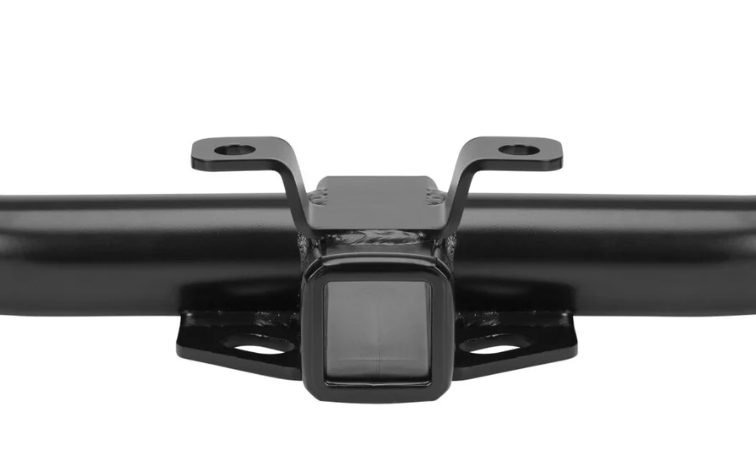

What You Need to Know Before Buying a Trailer Hitch
Buying the right trailer hitch means matching towing capacity, receiver size, and vehicle compatibility to your trailer and lifestyle. Whether you’re hauling campers, boats, or utility gear, selecting a well-built hitch from trusted brands like Draw-Tite, CURT, and B&W ensures secure, safe towing every time you hit the road.
Some points to consider:
Understand Hitch Classes – Choose between Class I–III receiver hitches based on your towing application.
Match Hitch Capacity to Your Towing Needs – Verify Gross Trailer Weight (GTW) and Tongue Weight (TW) ratings meet or exceed your trailer’s specifications
Fit & Vehicle Compatibility – Confirm vehicle-specific fit, receiver size (1¼″, 2″, 2½″), and installation requirements before purchasing.
Durability & Construction – Look for solid welded steel construction with corrosion-resistant powder-coat finishes.
Safety & Maintenance – Regularly inspect mounting hardware, wiring, safety chains, and ensure proper load distribution for safe towing.
Know Your Trailer Hitch Types
-
![]()
Class I Trailer Hitches
Light-duty rear receiver hitches for small cars and lightweight trailers.
Best For: Compact cars & light-duty towing
Pros: Lightweight design • Affordable option • Easy installation
Cons: Lower towing capacity • Limited to 1¼″ accessories -
![]()
Class II Trailer Hitches
Mid-range receivers with 1¼″ openings, great for small campers, cargo carriers, and light utility trailers.
Best For: Small SUVs & light trailers
Pros: Higher capacity than Class I • Versatile for small campers & carriers • 1¼″ receiver compatibility
Cons: Not suited for heavy towing • Fewer accessory options than 2″ receivers -
![]()
Class III Trailer Hitches
Common heavy-duty 2″ receiver hitches for trucks, SUVs, and general towing use.
Best For: Trucks & SUVs for everyday towing
Pros: Popular 2″ receiver size • Broad accessory compatibility • Strong mid-range capacity
Cons: Heavier than Class I/II • May require vehicle-specific install


-
-
-
-
-

-

 New arrival
-
-
New arrival
-
New arrival
-


Shop Trailer Hitch Brands


Featured Blogs
-
![]()
8 Trailer Upgrades to Make Hitching and Campsite Setup Easier
Few things spike your blood pressure faster than a supposedly “simple” trailer hook-up turning into a sweaty mess of missed attempts and muttered swear words. Hitching your trailer shouldn’t be the hardest part of your trip—it should be quick and painless.
-
![]()
How to Grease a Trailer Hitch
We’ve all been there—wrestling with a noisy, creaking trailer while trying to back it in. It’s a common frustration, especially for those learning the ropes of towing. Thankfully, the solution is simple: greasing the trailer hitch.
-
![]()
How to Select & Attach Trailer Safety Chains
Towing a trailer adds a whole new set of responsibilities, and even experienced drivers can find themselves white-knuckling the steering wheel at times. After all, you are hauling thousands of extra pounds that respond to every turn and stop.
-
![]()
Best Aftermarket Solutions for Towing Titans
In the early days of RVing, towing a trailer could be a dangerous and scary venture. Without the advancements available to consumers today - including solutions for sway prevention and weight distribution - hitting the road was often a gamble.


