
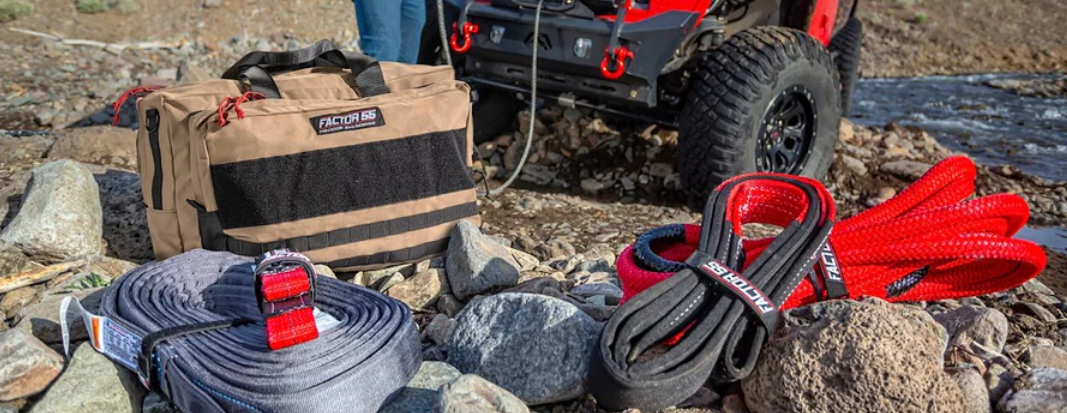

What You Need to Know Before Buying Off Road Recovery Gear
Off-road recovery gear is essential for safely getting your vehicle unstuck from mud, sand, snow, or rocks. Whether you’re a weekend trail rider or serious overlander, having the right equipment can mean the difference between a quick recovery and being stranded.
Some points to consider before buying off-road recovery gear:
Vehicle Weight & Load Rating - Choose gear rated at least 2–3x your vehicle’s weight to safely handle recovery forces.
Quality of Materials - Prioritize durable nylon or polyester, reinforced stitching, and weather resistance for safety and longevity.
Recovery Points on Your Vehicle -Ensure you have rated tow hooks or hitch points—using improper attachment points can be dangerous.
Complete Kit vs Custom Setup -Beginners benefit from all-in-one kits, while experienced users may prefer higher-quality individual components.
Know Your Recovery Gear Products
-
![]()
Recovery Straps
Heavy-duty nylon straps designed for vehicle-to-vehicle recovery by absorbing shock during pulls.
Best For: Beginners and light recovery (snow, sand, shallow mud)
Pros: Simple and easy to use • Affordable entry point • No winch required
Cons: Requires a second vehicle • Less controlled than winching • Can be dangerous if overloaded -
![]()
Kinetic Recovery Ropes
Stretchable ropes that store kinetic energy to help “snap” a stuck vehicle free.
Best For: Moderate to advanced off-roaders
Pros: Smoother, safer recovery • Less shock on vehicles • More effective in deep mud/sand
Cons: More expensive than straps • Requires proper technique -
![]()
Shackles & D-Rings
Connection points that link straps, ropes, or winch lines to your vehicle safely.
Best For: All recovery setups (required component)
Pros: Essential connection point for recovery • High strength and durability • Soft shackles are safer and lightweight
Cons: Must match proper load ratings • Metal versions can be hazardous if they fail • Easy to misuse if inexperienced -
![]()
Traction Boards
Placed under tires to provide grip when a vehicle is stuck in sand, mud, or snow.
Best For: Sand, snow, and mild mud situations
Pros: Quick self-recovery solution • No pulling required • Lightweight and reusable
Cons: Limited effectiveness in extreme conditions • Can slip or break under heavy load • Takes storage space
-
![]()
Snatch Blocks & Pulleys
Used with winches to increase pulling power or change the direction of a pull.
Best For: Advanced winch recoveries
Pros: Increases winching power • Allows directional pulls• Reduces strain on winch
Cons: Requires proper rigging knowledge • Adds setup time • Only useful with a winch -
![]()
Recovery Jacks
Used to lift a vehicle out of ruts or obstacles during recovery situations.
Best For: Advanced users and technical recovery situations
Pros: Versatile (lifting, pushing, clamping) • Helps free stuck tires• No second vehicle needed
Cons: Requires skill to use safely • Can be unstable on uneven ground • Bulky to store


-
 Learn More
Top 5 Gifts For Off-Road Enthusiasts


-


-
-
 Read More
Free Delivery on Orders to Your Local Shop
When you select
'Ship to Local Shop'
at checkout -

-
-
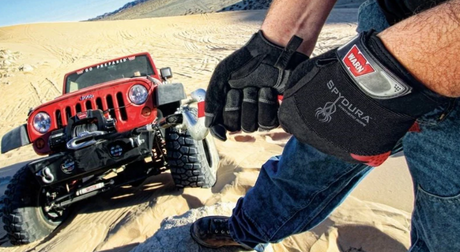


Shop Popular Off Road Recovery Brands


Featured Blogs
-
![]()
Top 5 Gifts For Off-Road Enthusiasts
While there are a few fortunate souls out there who can afford to give something really special – like a bumper, suspension system, or wheels & tires – they’re not really what we would consider “gifting items.”
-
![]()
Understanding Mud for Better Off-Roading
From the clay-heavy ruts of the South to the silty, decomposing slop up north, each type has its own personality—andits own way of trapping your vehicle. This article breaks down the nuances of this surprisingly diverse goop and explains what it means for your rig’s traction and recovery.
-
![]()
Top Off-Road Recovery Methods to Get Your Vehicle Unstuck
We’ve all been there one time or another. Perhaps you misjudged the depth of that puddle or thought the ground should hold just fine after several rainy days. Pretty soon you find out just how wrong you were and just how much your vehicle weighs.
-
![]()
Driving On Sand: Off-Road Tips for Dunes and Desert Trails
You’re looking for a shortcut to the top of the mountain when you spot it—a clean, wide sand drift cutting across the hillside. It’s not a defined trail, but your 4x4 is dialed: selectable sand mode, quality all-terrain tires, upgraded suspension, and recovery gear on board.


